Efficacy and Safety of Dental Fillings for Kids

Dental fillings for children play a crucial role in restoring teeth affected by cavities or minor damage. When detected early, cavities can be treated quickly and effectively with a filling, preventing further decay and preserving the natural tooth. Pediatric dentists utilize techniques and materials specifically designed for children to ensure safety, comfort, and long-lasting results.
Why dental fillings are necessary
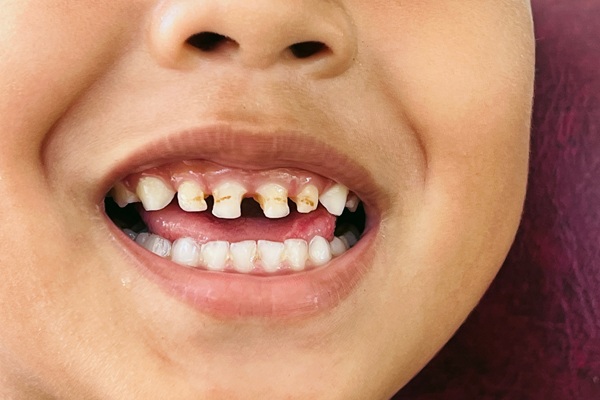
Tooth decay is one of the most common chronic conditions in children, according to the Centers for Disease Control and Prevention (CDC). If left untreated, cavities can lead to infection, pain, and even tooth loss. Dental fillings for children restore the tooth's structure, allowing them to chew, speak, and smile without discomfort. Fillings also protect the tooth from additional decay by sealing off the area from bacteria and food particles.
Baby teeth serve as placeholders for permanent teeth and play a critical role in jaw development. Although they eventually fall out, preserving primary teeth is crucial for healthy oral development. Treating decay in baby teeth with fillings supports proper alignment, reduces the risk of orthodontic issues, and promotes overall oral health.
Types of dental fillings for kids
Pediatric dentists typically offer a variety of filling materials tailored to each child’s needs, including:
- Composite resin fillings: Tooth-colored material that blends naturally with surrounding teeth. Ideal for visible areas and smaller cavities.
- Amalgam fillings: Durable silver-colored material often used for molars, which experience more pressure during chewing.
- Glass ionomer fillings: Release fluoride over time and bond chemically to the tooth. Commonly used for baby teeth and non-load-bearing areas.
Dental fillings for kids are selected based on the location of the cavity, the size of the filling, and the child's age or risk level. All materials used in pediatric dentistry are tested for safety and meet FDA and ADA standards.
Safety considerations and benefits
Parents often have questions about the safety of dental fillings. Pediatric dentists follow strict protocols to ensure that all materials used are appropriate for young patients. Composite and glass ionomer fillings are mercury-free and widely used in modern pediatric dentistry. In cases where amalgam is recommended, it is done with consideration for strength and function in the back teeth.
Dental fillings help relieve tooth pain, prevent further decay, and preserve the health of surrounding teeth. Restoring a damaged tooth with a filling reduces the need for more extensive procedures, such as crowns or extractions, in the future. With proper care and routine checkups, fillings can last for several years, even in baby teeth.
Supporting long-term dental health
Early treatment with dental fillings for kids promotes healthy oral habits and reduces the risk of complications. Pediatric dentists also educate children on brushing, flossing, and limiting sugary snacks to help prevent future cavities. Regular dental visits allow providers to monitor existing fillings and address new issues promptly.
Dental fillings for kids are safe, effective, and essential for preserving healthy smiles. With the right materials and expert care, pediatric dentists can restore comfort and function while supporting long-term oral health. For more information or to schedule a consultation, call Star Kids Dental & Orthodontics at (818) 483-9064.
To schedule a consultation, request an appointment on our website at https://www.starkidsdental.com or call Star Kids Dental & Orthodontics at (818) 483-9064 for an appointment in our Burbank office.
Check out what others are saying about our dental services on Yelp: Composite Fillings in Burbank, CA.
Recent Posts
Dental fillings are a common dental restoration used to repair teeth that have cavities or mild damage. Many parents have questions regarding the procedure, the types of materials used, and how to care for their child's filling. The following blog addresses frequently asked questions to provide parents with the clarity they need on this essential…
Children's tooth care is an essential part of promoting strong teeth and healthy gums throughout your little one's life. When you work with a pediatric dentist, you can help your child establish habits when they are young. These foundational habits that support children's tooth care can prevent cavities, gum disease, and the need for expensive…
Cavity treatment for kids is a common concern for many parents, as dental decay remains a prevalent childhood health issue. Early intervention and proper care are essential for maintaining healthy teeth and preventing future problems. Partnering with a pediatric dentist can take some of the guesswork out of promoting your child's oral health. To start…
Fluoride treatments are key for patients of all ages to maintain strong, healthy teeth by helping to prevent decay. This straightforward and painless procedure has been a trusted part of dental care for many years. Backed by extensive research, fluoride treatments offer children and adults a proven way to maintain optimal oral health while addressing…