Orthodontic Expanders: Commonly Asked Questions
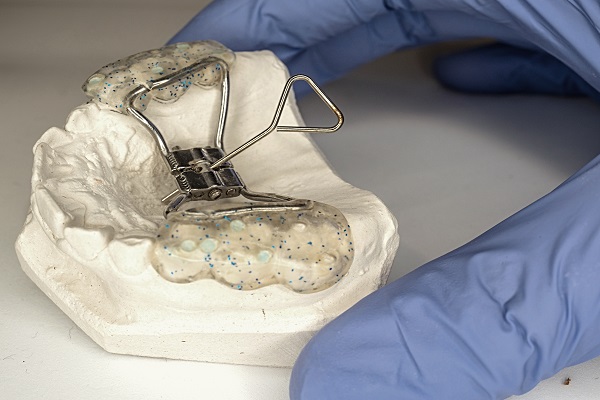
Orthodontic expanders optimize most of a child's natural teeth growing process by correcting or stopping malocclusions or misalignment. By progressively broadening the upper jaw, the palate expander assists an orthodontist in creating extra room in a child's mouth. Although the appliance may appear or sound intimidating at first, it works gradually and painlessly. Discover the answers to five questions that parents often ask about orthodontic expanders.
What is an orthodontic expander?
An orthodontic expander is a customized orthodontic device that fits over several upper teeth at the rear of the mouth. The device consists of two sides that are screwed together in the middle. Each day, a specific key is used to initiate the turn screw. The palatal bones start to expand and drift apart slowly. The appliance will stay in the mouth for about three to six months after getting the necessary expansion, so new bone can develop in the space and stabilize the development.
Why is it necessary?
There are three instances in which a child's palate may need to be expanded.
Crossbite: For an abnormally small upper jaw that fails to connect properly with the lower jaw, the rear top teeth will align inside instead of outside the lower teeth. A patient with a narrow palate may have a crossbite, and this can lead to unequal lower jaw development, which if not rectified, can cause facial asymmetry.
Overcrowding: A pediatric dentist can tell if there will be adequate room for a child's permanent teeth even before they fully emerge. Without having to pull any teeth, they can make room by broadening the upper jaw.
Impacted teeth: An impacted tooth is one that has not yet erupted but is obstructed by other teeth. The canines are the most usually affected. The upper jaw can be widened to provide enough room for a tooth to slip down into the right place independently.
Breathing Problems: Breathing via the nose might be challenging for a child with a narrow or deep upper jaw. Constant mouth breathing results in unfiltered bacteria inhalation, dry mouth, and other health problems.
How can one adjust an expander?
It is the responsibility of the parent or guardian to turn the orthodontic expanders at the intervals recommended by the orthodontist once it has been implanted in the child's mouth. The device's rotation is what expands the upper jaw. Aside from the set of instructions, the child's dentist will provide a specially designed key that fits into an opening in the device.
What are the common side effects?
As the upper jaw extends and widens, orthodontic expanders can cause discomfort and pain. Other side effects include jaw ache, headaches, sinus pressure, speech difficulties, high saliva production, and a gap between the front teeth. Food particles can also get lodged between the device and the roof of the mouth.
In conclusion
If you think that your child might benefit from orthodontic expanders, talk to the pediatric dentist. Book an appointment today to get started.
Request an appointment here: https://www.starkidsdental.com or call Star Kids Dental & Orthodontics at (818) 483-9064 for an appointment in our Burbank office.
Check out what others are saying about our services on Yelp: Read our Yelp reviews.
Recent Posts
Braces for teens are one of the most common orthodontic treatments offered today. As children grow into their teen years, they often need help correcting crooked teeth or bite problems. Choosing the right kind of braces can help improve not only a teen’s smile but also their confidence.Many teens need braces to fix problems like…
Pediatric dental care keeps children's smiles healthy as they grow up. Although baby teeth fall out, they play an important role in oral development. They hold space for adult teeth and, in the meantime, allow the child to eat and smile comfortably and confidently. A pediatric dentist can support your child's oral health by maintaining…
Children have a greater chance of developing cavities than adults. If the decay is severe, a pediatric dentist may suggest a stainless steel crown to protect the affected baby tooth. Without this treatment, total tooth loss could occur. It may not seem necessary to go to such lengths to preserve a baby tooth, but dental…
A pediatric dentist can restore comfort and function to a child’s tooth that is affected by dental trauma or decay. Often, baby root canals can preserve the natural tooth until it is ready to fall out on its own. A tooth extraction is, however, a better choice if the tooth is damaged beyond repair. A…